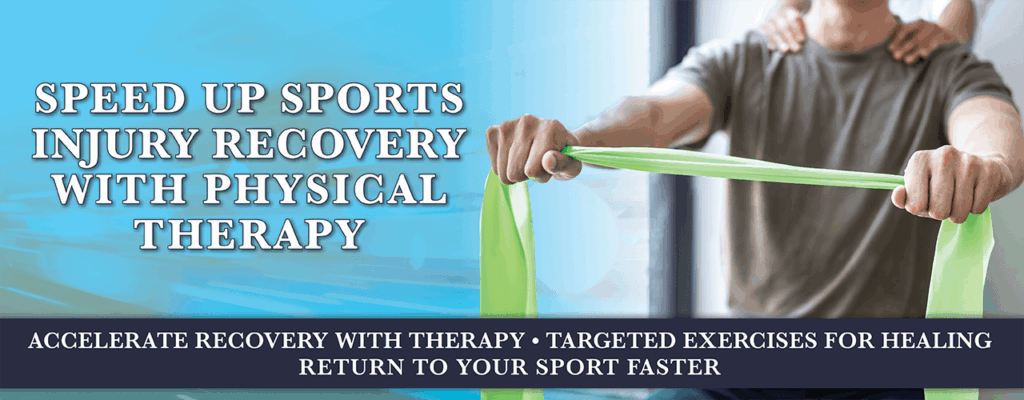
After a mid-season injury sidelined him from soccer, Marcus (not his real name) knew he couldn’t afford to wait and hope for the pain to resolve on its own. The stiffness, swelling, and instability in his ankle made walking difficult, and cutting or sprinting was out of the question. He turned to Fit 4 Life for help with his sports injury recovery, hoping to return stronger and smarter with a plan that addressed both his symptoms and the cause behind them.
This is how evidence-based physical therapy guided Marcus from frustration and limited mobility back to the field with confidence.
What Happened: A Sudden Ankle Injury During Practice
Marcus, a 20-year-old collegiate athlete, sustained a moderate lateral ankle sprain during practice while pivoting on uneven turf. He felt a sharp pain and immediate weakness, followed by noticeable swelling and reduced range of motion.
His symptoms included:
- Difficulty bearing weight
- Stiffness and limited ankle movement
- Reduced balance and proprioception
- Inability to participate in drills or conditioning
- Fear of re-injury
Marcus had experienced sprains before but had never gone through structured rehab. This time, he wanted to do things differently. Instead of waiting for the pain to subside, he scheduled an evaluation at Fit 4 Life the same week.
Initial Evaluation and Clinical Findings
During his assessment, the physical therapist at Fit 4 Life noted:
- Tenderness and swelling along the lateral ligaments
- Compensatory gait mechanics
- Weakness in the peroneal muscles and deep stabilizers
- Loss of confidence during single-leg stance
- Reduced ankle dorsiflexion
The therapist explained that effective sports injury recovery starts by addressing swelling and joint mobility early, followed by progressive loading to rebuild strength and stability.
A Targeted Physical Therapy Plan for Sports Injury Recovery
Marcus’s sports injury recovery plan focused on restoring normal movement patterns and preparing him for a return to sport without re-injury. His therapist combined manual treatment with functional training to address both the injury and the surrounding deficits.
Key components of his recovery included:
1. Manual therapy for swelling and mobility
Joint mobilizations and soft tissue techniques helped reduce inflammation and restore ankle motion in the early phase.
2. Progressive weight-bearing activities
Guided loading helped retrain gait mechanics and build confidence during walking and, eventually, jogging.
3. Targeted strengthening
Focus was placed on the ankle stabilizers, hip musculature, and core to ensure full-body control during movement.
4. Proprioceptive and balance training
Single-leg exercises, dynamic surfaces, and visual-motor drills were used to retrain Marcus’s sense of joint position and improve reaction time.
5. Return-to-sport training
The final phase included cutting, pivoting, and acceleration drills that mimicked in-game demands, helping Marcus reintroduce soccer-specific movements in a controlled setting.
Throughout his sessions, Marcus received education on injury prevention strategies and was provided with a personalized home program to reinforce progress.
The Results: Back on the Field with Confidence
Marcus committed to his physical therapy sessions and followed his recovery plan closely. Over eight weeks, his function steadily improved.
By the end of his care:
- Pain and swelling had completely resolved
- Ankle mobility returned to baseline
- Strength and single-leg balance exceeded pre-injury levels
- He passed all return-to-sport criteria set by his therapist
Marcus returned to competition without restrictions and has remained injury-free since
More importantly, Marcus gained the tools and awareness to manage his body better during games and practices.
Why Physical Therapy Matters for Lasting Sports Injury Recovery
Injuries can set athletes back, but skipping rehabilitation or relying on rest alone increases the risk of re-injury and limits performance. A structured, individualized plan allows athletes to recover properly, rebuild strength, and address underlying movement issues.
At Fit 4 Life, every sports injury recovery plan is guided by research and tailored to the athlete’s specific goals and needs. Whether it’s returning to competition or staying active without setbacks, our team is here to help you reach your full potential.
Start Your Recovery Journey at Fit 4 Life
If you’ve experienced a sports-related injury and are unsure how to move forward, you’re not alone. Our physical therapists specialize in performance-based care that helps you heal, move better, and prevent future injuries.
Contact Fit 4 Life today to schedule your evaluation and take the next step toward recovery.
Tags: mobility restoration, performance optimization, sports recovery therapy, injury rehabilitation strategies