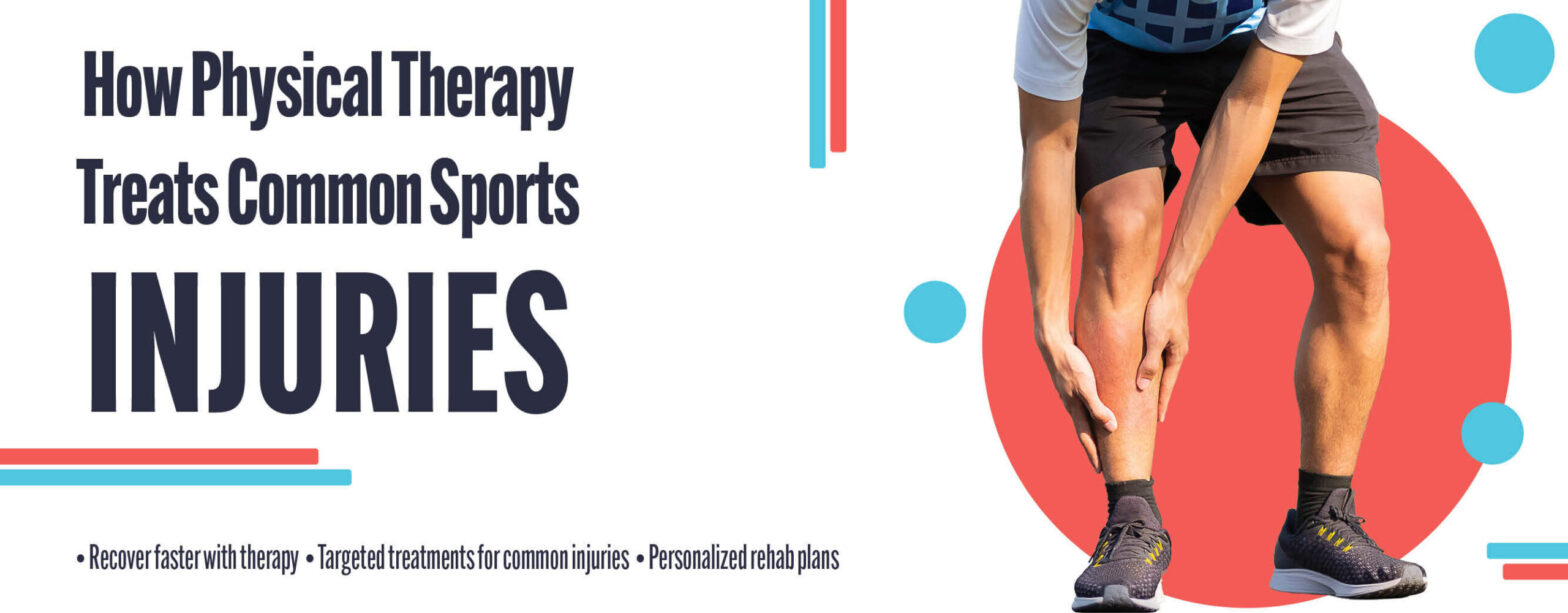
Knee pain can be a perplexing and frustrating problem. It comes and goes, seemingly without rhyme or reason, leaving you puzzled about its root cause. You’ve scoured the internet for knee exercises, but nothing seems to provide lasting relief. You may suspect it’s an old injury, yet the sporadic nature of the pain keeps you guessing. In this article, we’ll delve into the potential sources of your knee discomfort and shed light on how knee pain can lead to hip pain. More importantly, we’ll explore how physical therapy can be the key to understanding and alleviating your discomfort.
When Knee Pain Isn’t Just About the Knee: The Hip Connection
Many times, when knee pain comes and goes mysteriously, it can be attributed to issues elsewhere in the body. One common culprit is the hip, specifically, weakness in the muscles of the inner or outer thigh. These muscles play a crucial role in stabilizing the knee joint, and when they are underdeveloped, they can’t provide the support your knees need. Physical therapy can target these areas, helping you build strength and stability to prevent knee pain.
The Knee-Hip Connection
To comprehend the relationship between knee and hip pain, it’s essential to recognize the complex network of joints, muscles, and ligaments that make up our lower extremities. The knee and hip joints are closely connected and share many supporting structures. When an issue arises in one joint, it can affect the other, leading to pain and discomfort.
- Compensatory Movements: When you experience knee pain, you may unconsciously alter your gait and movement patterns to reduce stress on the affected knee. This often leads to increased strain on the hip joint as it compensates for the weakened or painful knee.
- Muscular Imbalances: Knee pain can cause muscles around the knee to weaken due to disuse or improper movement. These weakened muscles can alter the mechanics of the hip joint, causing pain and dysfunction.
- Biomechanical Changes: The knee and hip joints work together to facilitate proper movement and weight distribution. If the knee is not functioning correctly, it can disrupt the biomechanics of the hip joint, leading to pain and discomfort.
Common Conditions Linking Knee and Hip Pain
Several conditions can trigger a chain reaction from knee pain to hip pain:
- Osteoarthritis: This degenerative joint disease can affect both the knee and hip joints simultaneously, causing pain in both areas.
- Patellofemoral Pain Syndrome (Runner’s Knee): When the patella (knee cap) is misaligned or irritated, it can affect the way the knee moves, putting added stress on the hip joint.
- Meniscus Tears: A tear in the knee’s meniscus can lead to altered movement patterns and affect hip joint function.
- Anterior Cruciate Ligament (ACL) Injuries: ACL injuries often lead to knee instability, which can result in compensatory movements that affect the hip joint.
How Physical Therapy Can Help Knee Pain
Physical therapy is a highly effective approach to address both knee and hip pain. A skilled physical therapist can:
- Evaluate Your Condition: A thorough assessment will help identify the root cause of your knee and hip pain, allowing for a personalized treatment plan.
- Strengthen Muscles: Targeted exercises can help strengthen weakened muscles around the knee and hip, restoring proper function and reducing pain.
- Improve Range of Motion: Physical therapists can guide you through exercises and stretches to increase joint flexibility, alleviating discomfort.
- Correct Movement Patterns: Learning proper movement techniques and gait patterns can help prevent further strain on the hip joint.
- Provide Pain Relief: Modalities such as ultrasound, heat, or ice may be used to reduce pain and inflammation.
The Role of Lower Back Pain: A Chain Reaction Causing Knee Pain
Surprisingly, lower back pain can also be a hidden source of knee discomfort. Weakness in the muscles surrounding the lower back can result in poor posture, creating a chain reaction that ultimately leads to knee pain. When your body is not properly aligned, the knee joint can bear undue stress, causing pain and discomfort. Physical therapy can help address these muscle weaknesses and improve your posture, reducing the strain on your knees.
Here’s how it happens:
- Muscle Imbalances: The intricate network of muscles in your lower back, pelvis, and abdomen forms the core of your body’s support system. When there are imbalances in this core, it can affect your overall posture and stability.
- Postural Misalignment: Weakness in the lower back muscles can lead to poor posture. You might find yourself slouching or hunching forward, which places undue stress on your spine and hips. This misalignment can affect how your entire body functions, including the mechanics of your knee joint.
- Altered Weight Distribution: As your posture deteriorates, your body redistributes its weight unevenly. This can result in more pressure being placed on certain areas, such as your knee joints. Over time, this excess stress can lead to inflammation, pain, and discomfort.
- Knee Strain: The knee joint is designed to function optimally when your body is in proper alignment. However, when your posture is compromised due to lower back weakness, the knee joint has to compensate. This compensation can lead to uneven wear and tear on the joint, resulting in pain and discomfort.
- Reducing Strain Through Physical Therapy: The good news is that physical therapy can be a game-changer in this scenario. Physical therapists are trained to identify and address muscle imbalances, especially those in the core and lower back. Through targeted exercises and stretches, they can help you strengthen the weak muscles and improve your overall posture.
- A Return to Balance: As you work with a physical therapist to correct the imbalances in your lower back and core, you’ll gradually experience improved posture and reduced strain on your knees. This, in turn, can alleviate knee pain and provide long-term relief.
In essence, addressing lower back issues through physical therapy can break the chain reaction that leads to knee pain. By restoring balance and strength to your core, you not only improve your posture but also reduce the burden on your knees, allowing you to regain mobility and comfort in your daily life.
Don’t let the hidden connection between lower back pain and knee discomfort go unnoticed. Seek the guidance of a qualified physical therapist at Fit 4 Life Tampa to address these issues and embark on a journey towards a pain-free and active lifestyle.
IT Band Issues: A Common Culprit of Knee Pain
The iliotibial (IT) band, a thick band of tissue running from the hip down to the knee, can be another troublemaker when it comes to knee pain. A tight IT band can pull on the knee joint, causing irritation and pain. Physical therapy can include techniques to release tension in the IT band, providing relief and preventing future discomfort.
Understanding the IT Band’s Role:
The IT band is not just a passive structure in your body; it’s an essential part of your lower limb’s stability. It connects the muscles of your hip, including the gluteus maximus and tensor fasciae latae, to the tibia, the larger of the two lower leg bones. Its primary function is to assist in stabilizing the knee during movements like walking and running.
The Culprit: A Tight IT Band
However, problems arise when the IT band becomes excessively tight. This tightness can happen due to various factors, including overuse, repetitive motions, or inadequate stretching. When your IT band is taut, it can pull on the knee joint, leading to irritation and pain. You may experience a sharp, burning sensation on the outer side of your knee, commonly referred to as IT band syndrome.
Physical Therapy Solutions for IT Band Issues that Cause Knee Pain
Physical therapy not only alleviates existing IT band issues but also focuses on preventing their recurrence. By improving flexibility, strength, and body mechanics, you can maintain a healthy IT band and enjoy pain-free knee function.
- Manual Techniques: Physical therapists use hands-on techniques to release tension in the IT band. This can include targeted massage and stretching exercises that help to lengthen and relax the tight tissue.
- Strengthening Exercises: Weakness in the hip and thigh muscles can contribute to IT band problems. Physical therapists will design a personalized exercise regimen to strengthen these muscles, reducing the strain on the IT band.
- Biomechanical Assessment: A thorough evaluation by a physical therapist will identify any biomechanical issues that may contribute to IT band tightness. They can then provide guidance on improving your movement patterns to prevent future discomfort.
- Activity Modification: If your IT band pain is related to specific activities or sports, your physical therapist can help you make necessary modifications to your technique or training routine to reduce strain on the IT band.
Physical therapy not only alleviates existing IT band issues but also focuses on preventing their recurrence. By improving flexibility, strength, and body mechanics, you can maintain a healthy IT band and enjoy pain-free knee function.
Physical therapy not only alleviates existing IT band issues but also focuses on preventing their recurrence. By improving flexibility, strength, and body mechanics, you can maintain a healthy IT band and enjoy pain-free knee function.
Take Action Today with Fit 4 Life Tampa
If you’re tired of the enigma that is knee pain and want to find a solution, Fit 4 Life Tampa is here to help. Contact us at (813) 907-7879 or visit us at 17419 Bridge Hill Court, Tampa, FL 33647 for a free consultation and examination. Our experienced physical therapists will assess your condition, pinpoint any weak muscles in your back, hips, or core, and create a personalized treatment plan to address the root causes of your knee pain. Don’t let knee pain hold you back any longer; take the first step towards a pain-free, active life today with Fit 4 Life Tampa.