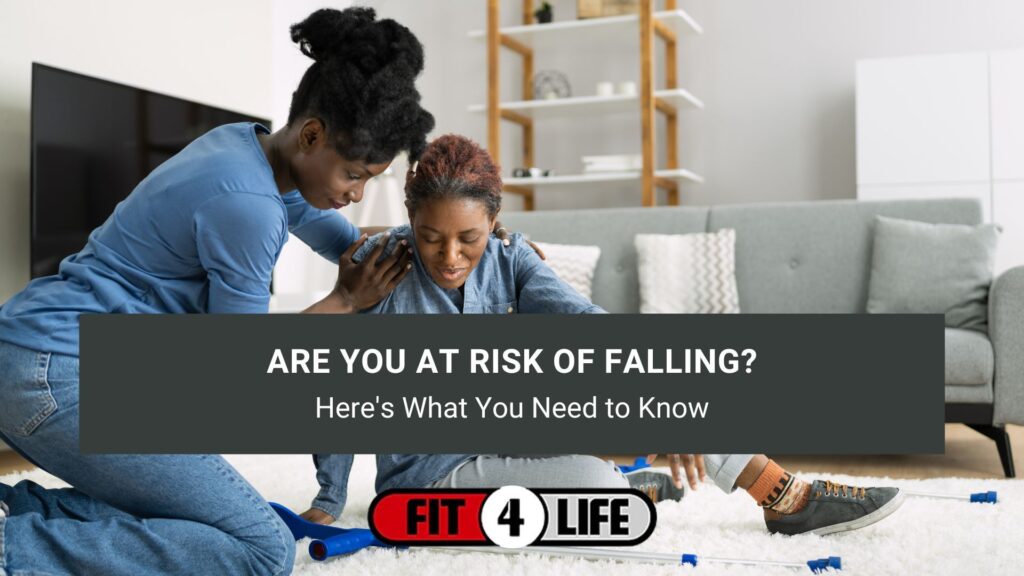
Falling—A Growing Public Health Concern
Falls are a significant public health issue, leading to alarming rates of hospitalizations and serious injuries, particularly among older adults. In the United States alone, falls account for over 800,000 hospitalizations each year, with more than 300,000 of these involving hip replacements due to fall-related injuries. The implications are vast, affecting not only the individuals but also their families and the healthcare system. Understanding the risk factors and prevention strategies is crucial in reducing these numbers and improving the quality of life for at-risk populations.
Is Falling a Common Part of Aging?
While it’s true that the risk of falling increases with age, it’s important to recognize that falls are not an inevitable part of aging. They can happen to anyone, at any age. Understanding the common risk factors can help in taking proactive steps to prevent falls.
Common Falling Risk Factors:
- Age-related changes: Decreased muscle strength, balance, and flexibility.
- Chronic health conditions: Arthritis, diabetes, heart disease, and other conditions that affect mobility and balance.
- Medications: Certain prescriptions can cause dizziness or drowsiness.
- Environmental hazards: Poor lighting, loose rugs, and clutter.
- Vision and hearing impairments: Reduced sensory perception can lead to falls.
- Sedentary lifestyle: Lack of physical activity weakens muscles and reduces balance.
Steps You Can Take for Fall Prevention
Preventing falls involves a combination of lifestyle changes, home modifications, and awareness. Here are actionable steps to reduce your risk:
- Stay Active: Engage in regular physical activity that improves strength, balance, and flexibility.
- Review Medications: Consult with your healthcare provider about medications that may increase fall risk.
- Vision and Hearing Checks: Regularly update your glasses or hearing aids to ensure optimal sensory function.
- Home Safety: Remove tripping hazards, ensure good lighting, and install grab bars in bathrooms.
- Wear Proper Footwear: Choose shoes with good support and non-slip soles.
How Fit 4 Life Can Enhance Balance and Prevent Falls
At Fit 4 Life Tampa, we specialize in enhancing balance deficits through personalized programs that focus on improving mobility, strength, balance, coordination, and cognition. Here’s how our approach makes a difference:
- Mobility: Maintaining good mobility is crucial for daily activities and reducing the risk of falls. Our therapists work to enhance your range of motion and joint flexibility.
- Strength: Strong muscles support and stabilize your body, making it less likely to lose balance. We design strength training exercises tailored to your needs.
- Balance and Coordination: These are key components in preventing falls. Our balance training includes exercises that challenge and improve your stability and coordination.
- Cognition: Mental sharpness can influence physical stability. Our programs often incorporate cognitive exercises to enhance brain-body coordination.
Comprehensive Evaluation and Personalized Care
At Fit 4 Life, we take the time to conduct thorough evaluations to identify why you are at risk for falling or the reasons behind a recent fall. Based on these insights, we educate you on what you need to do to take control of your safety and life. Our therapists work alongside you in one-on-one sessions, focusing on personalized strategies to improve your quality of life and prevent future falls.
Don’t let the fear of falling control your life. Take proactive steps to enhance your balance and prevent falls. Contact Fit 4 Life Tampa today at (813) 907-7879 or visit us at 17419 Bridge Hill Court, Tampa, FL 33647. Our expert therapists are here to help you live a safer, more active life.